# The Collector’s Handbook: Preserving & Displaying Limited Edition Vinyl & Resin Figures
If you’ve ever unboxed a highly anticipated designer toy, you know the thrill of seeing those crisp factory details up close. But as any seasoned collector will tell you, the real challenge begins the moment the plastic wrapper comes off. Vinyl and resin pieces are incredibly durable, yet they’re surprisingly sensitive to their environment. Without proper care, even a museum-grade exclusive can yellow, warp, or lose its paint integrity over time.
Here’s how to keep your collection gallery-ready for years to come.
## Control the Climate, Not Just the Shelf
Temperature and humidity are the silent enemies of art toys. Resin, in particular, is prone to stress fractures if exposed to rapid temperature swings, while vinyl can become tacky or degrade under prolonged high heat. Aim for a stable room temperature between 65°F and 72°F (18°C–22°C) with relative humidity hovering around 40%–50%. Keep pieces away from direct sunlight, radiators, and damp basements. UV exposure is the fastest way to trigger paint fading and material yellowing.
## Dust Without Damage
It sounds simple, but improper cleaning ruins more figures than you’d think. Microfiber cloths are your best friend. Gently wipe surfaces in a single direction to avoid grinding fine dust into the paint. For intricate details or hard-to-reach crevices, a soft-bristled makeup brush or a low-pressure compressed air duster works wonders. Avoid water, alcohol, or standard household cleaners—they can strip factory seals, matte finishes, or delicate hand-applied washes.
## Display Strategies That Protect
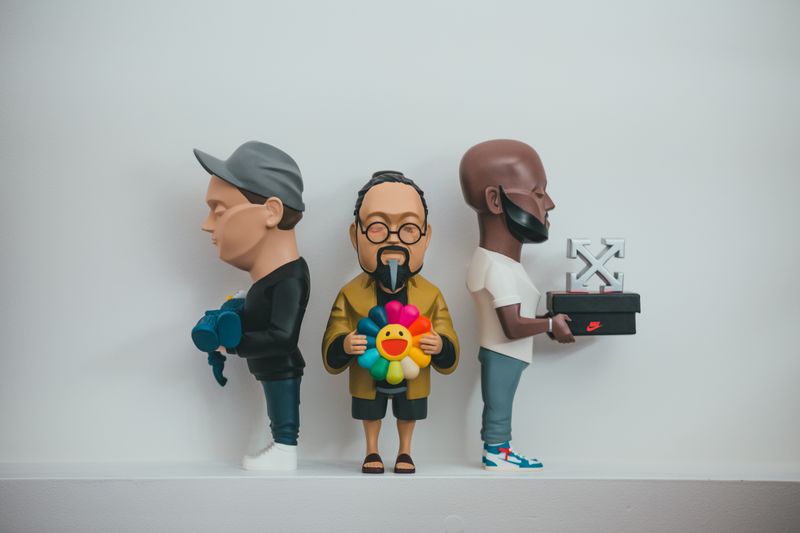
Open shelving looks fantastic but exposes your pieces to airborne pollutants and accidental bumps. Consider acrylic display cases or glass cabinets with UV-filtering panels. If you’re grouping figures, use non-slip silicone pads or museum putty to prevent sliding. For heavier resin pieces, ensure your shelves are rated for the weight and spaced to avoid top-heavy arrangements. Negative space is just as important as the pieces themselves. Overcrowding a shelf increases the risk of chips and makes routine maintenance a nightmare.
## When to Rotate and When to Retire
Even the best-preserved figures benefit from occasional rotation. If a piece meant for display shows early signs of stress—like minor paint lifting or a slight lean—move it to a climate-controlled storage box with acid-free tissue paper and silica gel packets. Document its condition with timestamped photos for insurance or future resale tracking.
Collecting designer toys is about more than acquisition; it’s about stewardship. Treat each exclusive drop as a piece of contemporary pop art, and it will reward you with decades of visual impact. For collectors looking to expand a curated lineup, tracking verified artist releases and understanding edition rarity remains the smartest way to build a portfolio that holds both sentimental and market value.
Leave a Reply